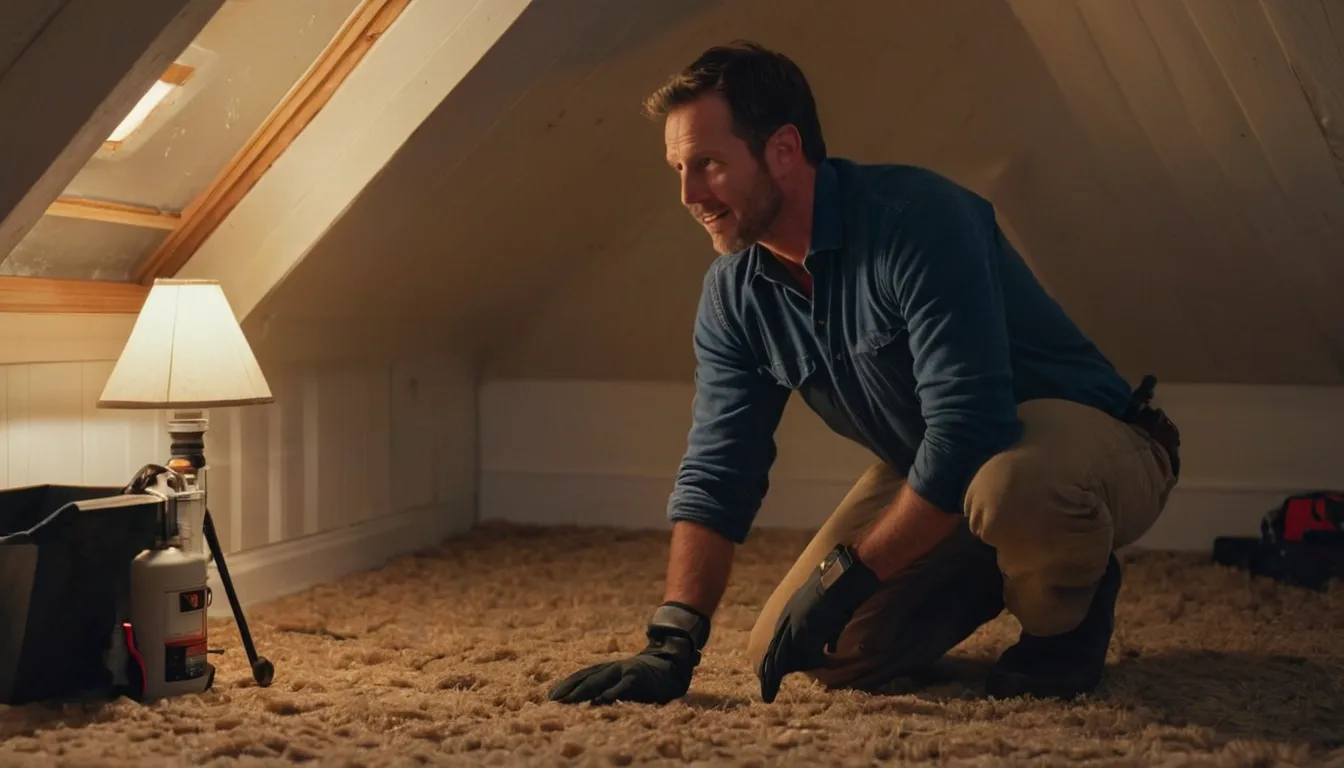
Rodent and Wildlife Removal in Manassas
Request an estimate from a local provider
Something is living in your house that should not be. Maybe it is mice in the walls, a squirrel in the attic, or a raccoon under the deck. It is stressful, but it is a common problem, and it can be solved in steps.
Practicalbaby Pest Control is a referral service. We do not trap, seal, or remove animals. We explain what you can safely do yourself, then route your request to an independent provider in our network who does the hands-on work. Referral, not repair. You get a plain look at the signs, the process, typical costs, and the questions worth asking before anyone climbs into your attic.
Noise in the Attic or Walls? Start Here
Scratching at night. Thumps overhead. A musty smell you cannot place. Take a breath. Most animal problems can be handled, and the first hour is about looking, not fixing.
Practicalbaby Pest Control does not remove animals. Independent providers in our network do that work. This page shows what you can safely do first and where to hand off.
Your Calm First Hour
Try, then hand off. Start with these steps:
- Stay out of the attic or crawl space until you know what is up there.
- Shut pets and kids out of the area.
- Note the time and type of noise. Light tapping at night often means mice. Heavy thumps in daylight can mean squirrels.
- Walk the outside of the house and look for gaps, chewed edges, and holes.
- Take photos from a safe distance.
Those notes help a provider give you a better estimate.
Please Don't Do These Things
Do not poke at a nest. Do not block a hole while animals may be inside. Do not use poison in the walls. A trapped animal can die where you cannot reach it, and the smell can last for weeks. Do not handle droppings with bare hands.
Why Rodents and Wildlife Need Fast Action
Mice and rats chew. They go after wiring, ducts, and insulation. Gnawed wires are a real fire risk. Rodents also breed quickly, so a few can become many.
Larger animals tear vents, rip up insulation, and leave waste that soaks in. Spring and early summer are birthing season for many species. Waiting can leave you with babies in the walls, which makes the job harder.
Many providers can respond quickly. Request a callback to check provider availability.
Signs to Watch For
Look and listen for these clues:
- Droppings along baseboards, in drawers, or near the water heater
- Greasy rub marks along walls
- Chewed boxes, wires, or food packaging
- Scratching, rolling, or thumping in ceilings
- Shredded insulation or nesting material
- Oily stains or a sharp odor in the attic
- Torn soffits, bent vents, or holes in siding
One sign may be nothing. Several together usually mean company.
Common Animals Providers Handle
Providers in our network commonly deal with mice, rats, squirrels, chipmunks, raccoons, opossums, skunks, and birds nesting in vents. Bats and a few other species have special rules. Ask the provider what they handle before you book.
Bats, Babies, and When to Wait
Bats are often protected, and many areas limit when they can be removed. A mother may have pups inside during summer. Do not seal anything yourself. A provider can tell you what is allowed in your area and when.
What You Can Safely Try Yourself
Some small jobs are fair game for a handy homeowner:
- Store pet food and birdseed in tight bins.
- Clean up spills and crumbs.
- Trim branches that touch the roof.
- Set snap traps for a lone mouse, out of reach of pets, with gloves on.
- Wipe surfaces with a household disinfectant after wearing gloves and a mask.
Where DIY Stops
Stop if you hear animals overhead, find a nest, see more than a few droppings, or spot a large animal. Stop if anyone has been bitten or scratched. Wash the area well and talk to a doctor.
How Removal Works
A typical visit follows a pattern. The provider inspects the house inside and out and finds how the animals get in. Next they explain the plan and price. Then they use traps or one-way exits, remove the animals, and clean up if needed. After that comes the part that matters most: sealing the entry points so nothing returns.
Providers do this work, not Practicalbaby Pest Control.
Humane Handling and Local Rules
Rules differ by state and town. Some animals cannot be relocated, and some must be released on site or handled under a permit. A reputable provider knows the local rules and will explain them. If a provider skips this talk, ask about it.
Choosing a Removal Provider
The search for an exterminator near me can bring up many names. For animals in the walls, look for a provider that does residential pest control and wildlife removal, and that explains its methods in plain words.
Questions to Ask Before You Book
- Do you inspect the whole house, including the roof line?
- Will you seal the entry points, and is that in the quote?
- What happens to the animals?
- Is cleanup or insulation work extra?
- Is there a written quote before work starts?
Keeping Animals Out for Good
Sealing is the real fix. Caulk and steel wool help with small gaps. Hardware cloth covers vents. Metal flashing and screens protect larger openings. Larger repairs may need a pro.
A Yearly Checklist for Four Seasons
In fall, check gaps before cold sets in. Freeze-thaw winters crack foundations and siding. Basements, shared rowhouse walls, and old pipe openings are common entry points. In spring, scan the roof edge and vents. In summer, keep the yard tidy.
Ready for the Next Step?
Send a request, and a local provider in our network can review your situation and give you a written quote.
What's Included
Inspection of the Home
A provider checks the attic, walls, crawl space, and outside edges to find where animals are getting in.
Animal Removal
Trapping or one-way exits remove animals in line with local rules for the species.
Entry Point Sealing
Gaps, vents, and holes get closed so animals do not come back.
Cleanup Options
Many providers offer droppings cleanup, deodorizing, and insulation work, often quoted as an add-on.
Typical Rodent and Wildlife Removal Costs
Prices vary by animal, home, and how hard the entry points are to reach. These are typical U.S. ranges only. Always get a written quote before work begins.
| Service | Typical range | Notes |
|---|---|---|
| Home inspection | $75 – $300 | Sometimes applied toward the job |
| Mouse removal | $200 – $600 | Price rises with the number of visits |
| Rat removal | $300 – $900 | Often needs trapping plus sealing |
| Squirrel or raccoon removal | $300 – $1,000 | Depends on access and number of animals |
| Entry sealing and repairs | $200 – $1,500 | Varies by gaps and roof height |
| Attic cleanup and insulation | $500 – $5,000 | Grows with the size of the damage |
How It Works
Check and Note
Stay out of the area. Write down the sounds, signs, and times, and take photos from a safe distance.
Send Your Request
Use the estimate form to describe the problem. Your request goes to a provider in our network.
Review the Plan
The provider inspects, explains the approach, and gives you a written quote to review.
Approve and Seal Up
After removal, ask that the entry points be sealed, then keep up the yearly checks.
Why Call Practicalbaby Pest Control
Plain Referral Model
We say up front that providers do the work. We only connect you.
Safe Steps
You get clear guidance on what is safe to try yourself and where to stop.
Independent Providers
Each local provider sets its own methods and prices, so you can compare before you decide.
Written Quotes
We encourage you to ask for a written estimate so you know the scope and price.
Other Services
Need rodent and wildlife removal in Manassas?
Tell us what you are seeing and send a request. A provider in our network can follow up with a written quote. No obligation.
No obligationRodent and Wildlife Removal FAQ
How do I know if it is mice, rats, or squirrels in my attic?
Timing and size help. Light scurrying at night often points to mice or rats. Heavy running in daylight is more likely squirrels. Droppings size also helps. A provider can confirm after an inspection.
Can I just set traps or poison myself?
A single snap trap for one mouse is a reasonable try. Poison is risky, since animals can die inside walls and pets can be harmed. For noises in the attic or walls, ask a provider to inspect.
Does homeowners insurance cover rodent or wildlife damage?
Coverage depends on the policy. Some policies may cover sudden damage, but many exclude damage from pests over time. Check your policy, and ask a provider to help document damage for a claim.
Request a callback
Tell us what you are seeing and send a request. A provider in our network can follow up with a written quote. No obligation.
No obligation